Understanding RF Cavitation Technology for Skin Tightening and Facial Rejuvenation

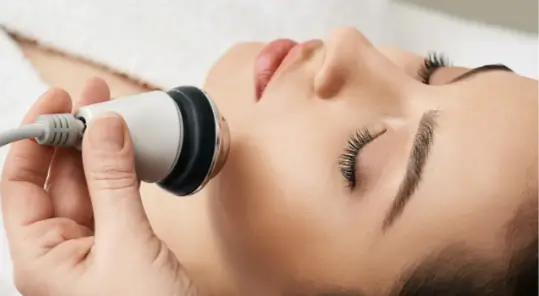
Modern aesthetic treatments continue to evolve as people seek effective, non-surgical ways to improve their appearance. Among the technologies gaining attention in professional skincare is radio frequency (RF) cavitation, a treatment designed to address skin laxity, improve texture, and support facial contouring without invasive procedures.
Unlike surgical treatments that require downtime, RF cavitation combines advanced energy-based technology with a comfortable treatment experience. It has become a valuable option for those looking to improve skin firmness while maintaining a natural appearance.
Whether you’re researching aesthetic technologies or considering professional skin treatments, understanding how RF cavitation works can help you make informed decisions about facial rejuvenation.
As skin naturally changes with age, collagen and elastin production gradually decline. This process may lead to fine lines, loose skin, uneven texture, and reduced facial definition. Fortunately, technological advances have introduced several non-invasive solutions that aim to improve these concerns.
For readers interested in learning more about professional facial technologies, this guide on rf cavitation machine explains how modern equipment contributes to skin tightening and anti-ageing treatments while supporting informed decision-making.
What Is RF Cavitation?
RF cavitation combines two widely used aesthetic technologies:
- Radio Frequency (RF)
- Ultrasonic Cavitation
Although they are often discussed together, each technology performs a different function.
Radio frequency energy gently heats the deeper layers of the skin. This controlled heat stimulates collagen production and encourages existing collagen fibers to contract, helping the skin appear firmer over time.
Ultrasonic cavitation uses low-frequency sound waves that create microscopic bubbles within fatty tissue. These bubbles help disrupt fat cells, allowing the body to naturally process and eliminate their contents through normal metabolic pathways.
When combined, these technologies provide both contouring and skin-tightening benefits.
How Radio Frequency Works
Radio frequency energy penetrates beneath the surface of the skin without damaging the outer layer.
As tissue temperature rises within a safe therapeutic range, several biological responses occur:
- Collagen fibers contract immediately
- Fibroblast activity increases
- New collagen production begins
- Blood circulation improves
- Cellular metabolism becomes more active
Because collagen remodeling continues for weeks after treatment, many people notice gradual improvements rather than instant dramatic changes.
Understanding Ultrasonic Cavitation
Ultrasonic cavitation focuses primarily on localized fat reduction.
The technology produces low-frequency ultrasound waves that target fat deposits beneath the skin. These waves create pressure changes that form microscopic bubbles around fat cells.
Eventually, these bubbles collapse, weakening fat cell membranes. The released fat is then processed through the body’s lymphatic and metabolic systems.
Importantly, cavitation is designed for body contouring rather than weight loss.
Why These Technologies Are Combined
Combining RF with cavitation addresses two common concerns simultaneously.
Without skin tightening, reducing localized fat may occasionally leave skin appearing loose. Radio frequency helps support collagen production, allowing the skin to adapt more effectively following contouring treatments.
Together, they aim to improve:
- Skin firmness
- Facial definition
- Body contours
- Surface smoothness
- Overall skin quality
Common Treatment Areas
RF cavitation is used on multiple areas of the face and body depending on treatment goals.
Facial Areas
Professional practitioners frequently treat:
- Jawline
- Chin
- Neck
- Cheeks
- Forehead
- Nasolabial folds
These treatments primarily focus on improving firmness rather than removing significant amounts of fat.
Body Areas
Body treatments commonly include:
- Abdomen
- Waist
- Hips
- Thighs
- Upper arms
- Back
- Buttocks
Treatment plans vary depending on individual body composition and desired outcomes.
Benefits of RF Cavitation
Many individuals choose RF cavitation because it offers several practical advantages compared to invasive procedures.
Non-Surgical Treatment
No incisions or anesthesia are required.
Most sessions allow patients to resume normal daily activities immediately after treatment.
Minimal Recovery Time
Unlike surgical procedures, there is generally little or no downtime.
Mild redness or warmth may appear briefly after treatment but usually resolves quickly.
Gradual Natural-Looking Results
Collagen develops gradually.
Instead of producing sudden dramatic changes, improvements often appear progressively over several weeks.
Skin Tightening Support
Radio frequency encourages collagen remodeling, which may help improve:
- Skin elasticity
- Texture
- Firmness
- Fine lines
Comfortable Experience
Most individuals describe treatment as a warm massage sensation.
The procedure is generally well tolerated when performed correctly.
Who May Benefit?
RF cavitation may be suitable for adults who:
- Have mild to moderate skin laxity
- Want non-invasive facial rejuvenation
- Seek improved facial contours
- Have localized fat deposits
- Maintain realistic expectations
It is often most effective when combined with healthy lifestyle habits.
Who Should Avoid Treatment?
Although considered safe for many people, RF cavitation may not be appropriate for everyone.
Treatment is often avoided in individuals with:
- Pregnancy
- Pacemakers
- Metal implants in treatment areas
- Active skin infections
- Certain cardiovascular conditions
- Cancer involving treatment areas
- Severe liver or kidney disease
A professional consultation should always determine treatment suitability.
What Happens During a Session?
Treatment protocols differ depending on equipment and practitioner preferences, but a typical appointment includes several steps.
Consultation
The practitioner evaluates:
- Skin quality
- Treatment goals
- Medical history
- Contraindications
Skin Preparation
The treatment area is cleansed thoroughly.
A conductive gel is then applied to improve energy transmission.
Energy Delivery
The handpiece moves continuously across the treatment area.
Patients typically experience:
- Gentle warmth
- Mild vibration
- Comfortable pressure
Sessions generally last between 20 and 60 minutes depending on the treatment area.
Aftercare
Following treatment, individuals are often encouraged to:
- Stay hydrated
- Exercise regularly
- Maintain balanced nutrition
- Avoid excessive alcohol
- Follow practitioner recommendations
These habits support normal metabolic processes.
Expected Results
Results vary according to several factors, including:
- Age
- Skin condition
- Lifestyle
- Treatment frequency
- Overall health
Some people notice temporary tightening immediately after treatment due to collagen contraction.
More significant improvements often develop gradually over several weeks as new collagen forms.
Multiple sessions are commonly recommended to achieve optimal outcomes.
See also: How Online Search Behavior Impacts Business Growth for a Dallas SEO Company
Maintaining Results
Long-term improvements depend on continued collagen support and healthy living.
Helpful habits include:
- Daily sunscreen use
- Proper hydration
- Regular exercise
- Balanced nutrition
- Adequate sleep
- Consistent skincare
Maintenance treatments may also help preserve results over time.
Safety Considerations
Professional treatment is essential for both safety and effectiveness.
Qualified practitioners understand:
- Appropriate energy settings
- Skin anatomy
- Treatment protocols
- Patient selection
- Contraindications
Following proper guidelines helps reduce the likelihood of unwanted side effects while maximizing treatment benefits.
How RF Cavitation Compares with Other Facial Technologies
Several technologies are available for facial rejuvenation, each serving different purposes.
| Technology | Primary Purpose | Downtime |
| RF Cavitation | Skin tightening and contouring | Minimal |
| Microcurrent | Muscle stimulation | Minimal |
| LED Therapy | Skin healing and inflammation support | None |
| Microneedling | Collagen induction | Mild |
| Chemical Peels | Surface skin renewal | Varies |
A professional consultation helps determine which technology best matches individual goals.
Conclusion
RF cavitation represents an effective non-invasive approach for individuals seeking improved skin firmness, facial rejuvenation, and subtle contour enhancement. By combining radio frequency energy with ultrasonic cavitation, this technology addresses both collagen stimulation and localized contouring without surgery or lengthy recovery periods.
While individual outcomes differ, consistent treatment, healthy lifestyle choices, and professional guidance contribute significantly to achieving satisfying results. Those interested in understanding the technology in greater depth can explore additional information about an rf cavitation machine to better understand how modern aesthetic devices support facial rejuvenation treatments.
Frequently Asked Questions
1. Is RF cavitation painful?
Most individuals find RF cavitation comfortable. The treatment usually creates a warm sensation as radio frequency energy heats deeper skin layers, while ultrasonic cavitation produces mild vibrations. Serious discomfort is uncommon when treatments are performed by trained professionals using appropriate settings.
2. How many sessions are typically recommended?
The number of treatments depends on skin condition, treatment area, and personal goals. Many professionals recommend a series of sessions spaced over several weeks because collagen production develops gradually. Maintenance treatments may also be suggested to preserve long-term improvements.
3. Can RF cavitation replace cosmetic surgery?
RF cavitation is designed for mild to moderate skin tightening and contouring rather than dramatic surgical correction. While many individuals experience visible improvements, those with significant skin laxity or extensive tissue changes may require alternative treatment options recommended by qualified medical professionals.
4. Are there any side effects after treatment?
Temporary redness, mild warmth, or slight swelling may occur immediately after treatment but generally resolves within a few hours. Following aftercare instructions, staying hydrated, and working with experienced practitioners help minimize temporary side effects and support optimal recovery.
5. How long do the results last?
Results vary according to age, lifestyle, skincare routine, and natural collagen production. Maintaining a healthy diet, protecting the skin from sun damage, staying hydrated, and attending maintenance sessions when appropriate can help prolong the benefits achieved through RF cavitation treatments.