Best AI Video Extender Tools of 2026: 10 Best Platforms to Extend Video Length with AI

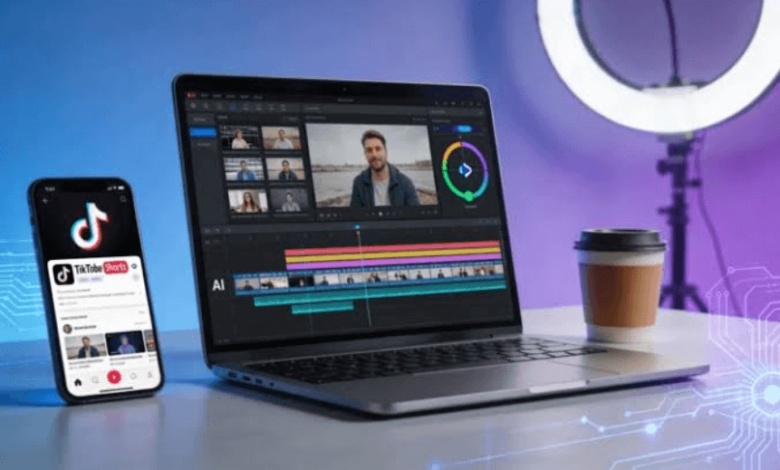
Best AI Video Extender Tools of 2026
AI video generation has improved dramatically over the past year. Instead of manually stitching clips together or spending hours in traditional editing software, today’s AI tools can intelligently extend scenes, generate additional frames, and create longer, smoother videos from short clips.
I spent time comparing today’s leading platforms with one goal in mind: finding the best tools for creators who need to extend video length quickly without compromising quality. I looked beyond marketing claims and evaluated generation quality, consistency, editing workflow, pricing, speed, ease of use, and overall value.
Whether you’re creating YouTube videos, TikToks, marketing campaigns, product demos, or social media ads, there’s now an AI tool that can save hours of production time.
Below are my top picks for 2026.
Best AI Video Extender Tools at a Glance
| Rank | Tool | Best For | AI Video Extension | Free Plan | Platforms | Starting Price |
| #1 | Magic Hour | Overall Best | ⭐⭐⭐⭐⭐ | Yes | Web, Mobile | Free / $15 |
| #2 | Runway | Professional Editing | ⭐⭐⭐⭐⭐ | Yes | Web | Paid |
| #3 | Kling AI | Cinematic Videos | ⭐⭐⭐⭐☆ | Limited | Web | Paid |
| #4 | Luma Dream Machine | Realistic Motion | ⭐⭐⭐⭐☆ | Yes | Web | Paid |
| #5 | Pika | Social Content | ⭐⭐⭐⭐☆ | Yes | Web | Paid |
| #6 | Adobe Firefly | Creative Professionals | ⭐⭐⭐⭐☆ | Yes | Web | Paid |
| #7 | InVideo AI | Marketing Videos | ⭐⭐⭐⭐ | Limited | Web | Paid |
| #8 | VEED | Quick Editing | ⭐⭐⭐⭐ | Yes | Web | Paid |
| #9 | Kapwing | Team Collaboration | ⭐⭐⭐⭐ | Yes | Web | Paid |
| #10 | Canva AI | Beginners | ⭐⭐⭐⭐ | Yes | Web, Mobile | Paid |
How We Evaluated These AI Video Extenders
Rather than focusing only on headline features, I tested each platform using similar prompts and production tasks.
The evaluation criteria included:
- Video extension quality
- Motion consistency
- Visual realism
- AI understanding of previous frames
- Rendering speed
- Ease of editing
- Workflow efficiency
- Available AI models
- Free plan generosity
- Pricing
- Overall value for creators
I also considered whether a platform could realistically fit into professional content creation workflows instead of only producing impressive demos.
1. Magic Hour to Best Overall AI Video Extender
If I had to recommend only one platform in 2026, Magic Hour would be my choice.
While many AI tools specialize in only one feature, Magic Hour combines AI video generation, image animation, face swap, talking photos, lip sync, upscaling, templates, and intelligent workflows into one platform.
What impressed me most is how quickly you can move from idea to finished content. Instead of juggling multiple apps, you can generate, enhance, upscale, and extend videos inside one interface.
For creators looking to extend video length AI, this streamlined workflow saves significant time.
Another major advantage is accessibility. Unlike many competitors, you can try Magic Hour without creating an account, making it easy to test before committing.
The platform also gives users access to multiple frontier AI models rather than locking them into a single engine. That flexibility becomes increasingly valuable as AI video technology continues evolving.
Pros
- Excellent AI video extension quality
- No signup required to try
- Best-in-class face swap
- High-quality AI lip sync
- Talking photo generation
- Click-to-create templates
- One-click workflows
- Generate → Upscale → Video pipeline
- Multiple AI models in one platform
- Credits never expire
- Fast variations
- Unlimited parallel generations
- Generous free tier
- Desktop and mobile friendly
- API available
- Responsive support
- Excellent value
Cons
- Advanced workflows may require experimentation
- Credit usage varies by model
My Take
After testing multiple platforms, Magic Hour offers the best balance between creative freedom, workflow efficiency, and pricing.
Rather than forcing creators into separate tools for animation, enhancement, face swapping, and editing, everything works together naturally.
If you’re creating content regularly, it’s one of the easiest recommendations I can make.
Pricing
- Free
- Creator to $15/month
- Creator Annual to $10/month (billed annually)
- Pro to $39/month
- Additional enterprise options available
2. Runway
Runway continues to lead professional AI video editing.
Its Gen models produce impressive motion consistency while giving creators more editing control than most competitors.
The interface feels polished and is particularly attractive for filmmakers, agencies, and production teams.
Pros
- Excellent motion generation
- Professional editing tools
- Strong AI video models
- Frequent updates
- High-quality outputs
Cons
- Premium pricing
- Learning curve
- Free plan has limitations
My Take
Runway remains one of the strongest choices for professionals who need advanced editing alongside AI generation.
If your workflow already includes video editing, it’s difficult to overlook.
Pricing
Free plan available with paid subscriptions starting around $15–20/month depending on usage.
3. Kling AI
Kling AI became one of the biggest surprises in AI video generation thanks to its realistic movement and impressive prompt understanding.
Its longer generations and cinematic feel make it especially attractive for storytelling.
Pros
- Excellent realism
- Strong camera movement
- Longer clips
- Good prompt accuracy
- High visual quality
Cons
- Queue times can be long
- Limited free usage
- Availability varies
My Take
Kling excels when visual realism matters most.
While it isn’t always the fastest platform, the results often justify the wait.
Pricing
Free trial with premium subscription plans.
4. Luma Dream Machine
Luma continues improving rapidly.
Dream Machine creates smooth motion, believable lighting, and natural scene transitions that work particularly well for product showcases and cinematic sequences.
Pros
- Natural movement
- Realistic lighting
- High-quality rendering
- Easy interface
- Fast improvements
Cons
- Limited editing features
- Credit-based usage
My Take
I consistently found Luma producing some of the most visually pleasing clips, especially for realistic environments.
Pricing
Free plan with paid upgrades.
5. Pika
Pika remains one of the easiest AI video tools for creators who publish frequently on social media.
Instead of overwhelming users with complex settings, it emphasizes speed and creativity. Short clips can be expanded with AI-generated frames, making it useful for creators who want to turn quick ideas into longer, more engaging videos.
Pros
- Beginner-friendly interface
- Fast AI generation
- Great for TikTok, Instagram, and YouTube Shorts
- Creative visual styles
- Frequent feature updates
Cons
- Less editing control than professional tools
- Some generations require multiple attempts
My Take
If your priority is producing engaging social media content quickly, Pika is an excellent choice. It doesn’t replace a full production suite, but it’s one of the easiest platforms to learn.
Pricing
Free plan available with paid subscriptions for additional credits and faster generation.
6. Adobe Firefly
Adobe Firefly has evolved from an image-generation tool into a broader creative AI ecosystem. For users already working in the Adobe Creative Cloud, Firefly makes it easier to incorporate AI-generated video elements into existing projects.
While Firefly’s AI video extension capabilities are still growing compared to dedicated AI video platforms, its integration with Premiere Pro and other Adobe applications gives creative professionals a familiar workflow.
Pros
- Excellent integration with Adobe Creative Cloud
- Commercially friendly content generation
- High-quality image and video AI tools
- Familiar interface for Adobe users
- Strong enterprise ecosystem
Cons
- Best experience requires a Creative Cloud subscription
- AI video features are still expanding
- Less specialized for video extension than dedicated tools
My Take
If you’re already paying for Adobe Creative Cloud, Firefly is a natural addition to your workflow. However, creators focused primarily on extending AI videos may find dedicated platforms like Magic Hour or Runway more capable.
Pricing
Free credits available. Premium AI features are included with eligible Adobe Creative Cloud plans or available through paid subscriptions.
7. InVideo AI
InVideo AI is built for marketers, educators, and businesses that need polished videos without spending hours editing.
Instead of requiring advanced editing skills, it generates videos from simple prompts, scripts, or blog posts. Its AI can also help extend short clips into more complete presentations by adding transitions, visuals, and AI-generated scenes.
Pros
- Extremely easy to use
- Text-to-video workflow
- Large stock media library
- Great for marketing videos
- Fast rendering
Cons
- Less creative control than professional editors
- AI-generated visuals can occasionally feel generic
My Take
If your goal is producing explainer videos, promotional content, or educational materials quickly, InVideo AI delivers excellent value.
Pricing
Limited free plan with paid subscriptions starting around $20/month.
8. VEED
VEED combines AI editing tools with a simple browser-based editor that appeals to creators, startups, and small teams.
Although its primary focus is editing rather than AI video generation, the platform includes AI-powered enhancements that help users extend and improve existing content efficiently.
Pros
- Browser-based editor
- Excellent subtitle generation
- AI voice tools
- Simple workflow
- Team collaboration
Cons
- Limited AI video generation compared to dedicated platforms
- Advanced exports require paid plans
My Take
VEED works best for creators who already have footage and want to improve, polish, and extend videos without learning professional editing software.
Pricing
Free version available with premium plans starting around $18/month.
9. Kapwing
Kapwing has become one of the most practical online editors for collaborative content creation.
Its AI features include automatic subtitles, background removal, script generation, image enhancement, and workflow automation that reduce editing time significantly.
Although it isn’t solely focused on AI video extension, it fits well into modern content production pipelines.
Pros
- Excellent collaborative editing
- AI subtitle generation
- Browser-based workflow
- Easy learning curve
- Strong productivity features
Cons
- AI generation is less advanced than dedicated video AI platforms
- Export limitations on free plan
My Take
Kapwing is ideal for agencies, startups, and marketing teams producing large amounts of social content.
Pricing
Free plan with paid subscriptions starting around $16/month.
10. Canva AI
Canva continues expanding beyond graphic design into AI-powered video creation.
Its Magic Studio features make creating presentations, promotional videos, and social media content incredibly simple. While Canva isn’t the most advanced AI video extender, its accessibility makes it a strong option for beginners.
Pros
- Extremely easy to learn
- Huge template library
- Excellent collaboration tools
- Mobile support
- Great for social media
Cons
- Limited cinematic AI generation
- Fewer advanced controls
My Take
If you’re new to AI-powered video creation, Canva offers one of the easiest starting points. As your projects become more demanding, you may eventually outgrow its AI capabilities.
Pricing
Free plan available. Canva Pro starts at approximately $15/month.
See also: Simple Techniques Pharmacies Use to Store Medications That You Can Apply at Home
Comparison: Which AI Video Extender Is Right for You?
| Use Case | Best Tool |
| Best Overall | Magic Hour |
| Professional AI Filmmaking | Runway |
| Most Realistic Motion | Kling AI |
| Cinematic Scenes | Luma Dream Machine |
| Best for Social Media | Pika |
| Adobe Users | Adobe Firefly |
| Marketing Videos | InVideo AI |
| Browser-Based Editing | VEED |
| Team Collaboration | Kapwing |
| Beginners | Canva AI |
How I Chose These AI Video Extender Tools
AI video generation is evolving rapidly, so I wanted this comparison to focus on tools that creators can actually rely on today.
During testing, I evaluated each platform using similar prompts, image-to-video tasks, and short video extension projects. Rather than looking only at visual quality, I paid attention to the complete workflow from uploading assets to exporting the finished video.
The key evaluation criteria included:
- AI video extension quality
- Motion consistency between generated scenes
- Prompt understanding
- Ease of use
- Rendering speed
- Editing flexibility
- Overall creative workflow
- Pricing and value
- Free plan limitations
- Reliability under repeated use
I also considered whether each platform serves different types of creators. A filmmaker, social media manager, and startup marketer often have very different priorities, so no single tool is perfect for everyone.
AI Video Extension Trends in 2026
As of 2026, AI video creation has shifted from experimental technology to an essential part of many creative workflows.
Several trends stand out:
Longer AI-Generated Videos
Instead of producing only a few seconds of footage, newer models can generate much longer and more coherent sequences, making AI suitable for marketing campaigns, tutorials, and storytelling.
Multi-Model Platforms
Rather than relying on one AI model, leading platforms now offer access to multiple frontier models. This allows creators to choose the best engine for different creative tasks without switching between several websites.
One-Click Workflows
Modern creators want fewer manual steps. Platforms that combine generation, enhancement, lip sync, face swap, upscaling, and editing into a single workflow are becoming increasingly popular.
Better Consistency
Earlier AI videos often suffered from flickering objects or inconsistent characters. Newer models have significantly improved scene continuity, making extended videos look more natural.
Enterprise Adoption
Businesses are increasingly using AI video tools for product demonstrations, internal training, advertising, and customer education. As a result, reliability, API support, and scalable infrastructure have become important differentiators.
Final Takeaway
AI video generation has reached a point where extending short clips into longer, polished content is easier than ever. The right platform depends on your goals, experience level, and production needs.
If you want the best overall combination of AI video extension, ease of use, creative flexibility, and value, Magic Hour stands out as the top choice in 2026. Its generous free tier, no-signup trial, access to multiple AI models, integrated workflows, and powerful features like face swap, lip sync, and talking photos make it suitable for beginners and professionals alike.
Runway remains an excellent option for professional filmmakers, while Kling AI and Luma Dream Machine continue to impress with cinematic realism. Pika excels for social-first creators, and tools like Canva, VEED, and Kapwing provide accessible workflows for teams and beginners.
No AI platform is perfect for every project. My recommendation is to take advantage of free plans whenever possible and test a few options with your own content. Even small differences in motion quality, editing controls, or rendering speed can have a noticeable impact on your final videos.
Frequently Asked Questions
What is an AI video extender?
An AI video extender is a tool that uses artificial intelligence to generate additional video frames or scenes, allowing you to make short videos longer while maintaining visual consistency and natural motion.
Which AI video extender is the best in 2026?
Based on my testing, Magic Hour is the best overall AI video extender in 2026 because it combines excellent generation quality, multiple AI models, integrated creative workflows, and outstanding value.
Can AI extend a video without losing quality?
Modern AI tools can produce surprisingly smooth results, although quality varies by platform and source footage. Higher-resolution inputs generally produce better extended videos.
Are there free AI video extender tools?
Yes. Several platforms, including Magic Hour, Runway, Luma Dream Machine, Pika, Canva, VEED, and Kapwing, offer free plans or free trials, though premium plans unlock higher-quality exports and additional credits.
What should I look for in an AI video extender?
The most important factors include motion consistency, rendering quality, ease of use, editing capabilities, pricing, export quality, and whether the platform fits your overall creative workflow.