Simple Techniques Pharmacies Use to Store Medications That You Can Apply at Home

Most people focus on taking their medications correctly but give little thought to how they are stored. Proper storage is an important part of medication safety because it helps preserve effectiveness, reduces the risk of accidental poisoning, and prevents medicines from falling into the wrong hands. Pharmacies follow strict storage procedures to ensure every medication remains safe and effective until it reaches the patient.
Although you may not have a professional pharmacy setup at home, many of the same principles can be applied with minimal effort. Whether you keep common pain relievers, antibiotics, or prescription medications such as Oxynorm, Citodon, or OxyContin, adopting a few pharmacy-inspired habits can help protect both your medicines and your family.
Keep Medications in Their Original Packaging
One of the simplest practices used in pharmacies is storing medicines in their original, clearly labeled containers. The packaging contains important information, including the medication name, strength, dosage instructions, expiration date, and lot number.
At home, resist the temptation to transfer tablets into unmarked containers simply to save space. Keeping medications in their original packaging reduces the chance of confusing two medicines that look alike and makes it easier to identify them if you need to contact your pharmacist or doctor.
For prescription medicines such as Oxynorm, Citodon, and OxyContin, the pharmacy label also contains information specific to your prescription, making it an essential part of safe medication use.
Protect Medicines from Heat and Moisture
Temperature plays a significant role in maintaining the quality of many medications. Pharmacies carefully control storage conditions to prevent excessive heat, humidity, and direct sunlight from affecting their products.
At home, choose a cool, dry location for your medicines. A bedroom cupboard or dedicated storage cabinet is usually a better choice than a bathroom medicine cabinet, where hot showers create frequent humidity. Likewise, avoid leaving medications in vehicles, near kitchen ovens, or on sunny windowsills where temperatures can rise quickly.
Maintaining stable storage conditions helps medicines retain their intended quality throughout their shelf life.
Store Prescription Pain Medicines Securely
Certain prescription medications require extra attention because they have a higher potential for misuse. Opioid medicines such as Oxynorm and OxyContin, as well as combination pain medicines like Citodon where available, should always be stored securely.
Many pharmacies keep controlled medications in restricted-access storage areas. While most households do not have secure pharmacy cabinets, you can achieve a similar level of protection by storing these medicines in a lockable drawer, cabinet, or medication safe that is inaccessible to children, visitors, and anyone for whom the medication was not prescribed.
Secure storage is especially important in homes with teenagers, frequent visitors, or young children.
Keep Medicines Away from Children and Pets
Pharmacies are designed so that customers, especially children, cannot freely access medications behind the counter. Applying this same principle at home is one of the easiest ways to improve safety.
Always place medicines well out of the reach and sight of children. High shelves are helpful, but a locked storage location provides even greater protection. Child-resistant caps add another layer of safety, but they should never be considered childproof.
Pets are also at risk of accidental poisoning. Dogs and cats may chew medication bottles if they are left within reach, so secure storage benefits the entire household.
Organize Medications by Purpose
Walk into any pharmacy and you’ll notice that medications are carefully organized. Prescription medicines, over-the-counter products, and controlled medications are all stored separately to reduce dispensing errors.
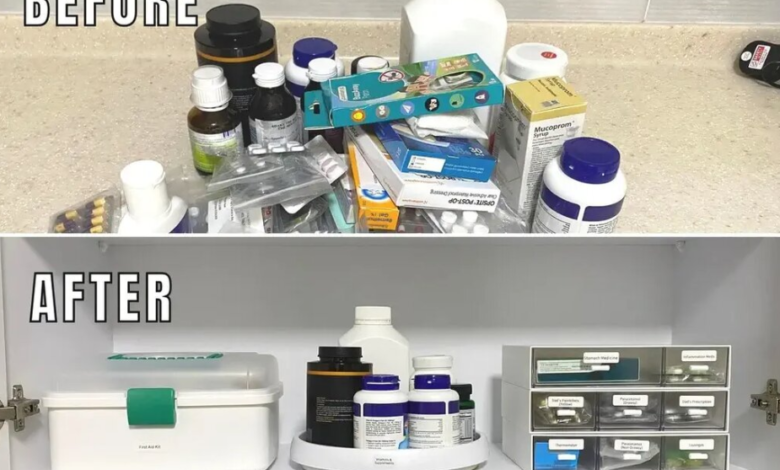
You can use a similar strategy at home by grouping medicines according to their purpose. Keep daily prescription medications together, store first-aid supplies in another location, and separate short-term medicines from those used regularly.
This simple organization makes it easier to find what you need without accidentally selecting the wrong product.
Regularly Check Expiration Dates
Pharmacies routinely inspect their inventory to remove expired medications before they are dispensed. This process helps ensure patients receive products that meet quality standards.
At home, schedule a quick review of your medicine cabinet every few months. Check expiration dates, remove medications that are no longer needed, and safely dispose of expired products according to local pharmacy or community disposal recommendations.
Avoid using medications beyond their expiration date unless specifically advised by a healthcare professional.
Avoid Mixing Different Medicines Together
It may seem convenient to combine tablets from different prescriptions into one container, but pharmacies never do this because it increases the risk of medication errors.
Even medicines that look almost identical can have very different ingredients and strengths. Mixing tablets can make it difficult to identify them later and may lead to accidentally taking the wrong medication.
Each medicine should remain in its own labeled container throughout its use.
Keep a Simple Medication List
Pharmacies maintain detailed records of every prescription they dispense. While you do not need a pharmacy database at home, keeping a simple medication list can be extremely useful.
Your list might include:
- Medication name
- Strength
- Reason for taking it
- Prescribing doctor
- Date the prescription was filled
- Expiration date
Having this information readily available can be valuable during medical appointments or emergencies.
Be Careful When Traveling
Travel presents additional storage challenges. Pharmacies use secure transport systems to protect medicines while they are being delivered, and you can follow similar principles when traveling.
Keep medications in their original packaging whenever possible. Avoid storing them in places where they may be exposed to excessive heat, such as the trunk of a car. If you are flying, carrying essential prescription medicines in your hand luggage helps reduce the risk of losing access to them if checked baggage is delayed.
If you are traveling internationally with prescription opioids such as Oxynorm or OxyContin, check the regulations of your destination before you travel, as some countries have specific entry requirements for controlled medicines.
Dispose of Unused Medicines Properly
Pharmacies follow strict procedures for disposing of expired or unwanted medications. Throwing medicines into household rubbish or flushing them down the toilet may not always be appropriate and can create environmental or safety concerns.
The safest option is often to return unused or expired medications to a participating pharmacy or follow your local authority’s guidance for medicine disposal. This reduces the risk of accidental exposure and helps prevent medicines from being misused.
Build Good Storage Habits
Good medication storage is not complicated. Small, consistent habits can make a significant difference in protecting your health and the effectiveness of your medicines.
Store medications in a cool, dry place, keep them in their original containers, organize them carefully, review expiration dates regularly, and secure prescription pain medicines such as Oxynorm, Citodon, and OxyContin so they are only accessible to the person for whom they were prescribed.
Conclusion
The techniques pharmacies use every day are based on safety, organization, and preserving medication quality. Fortunately, many of these same practices are easy to adopt at home without specialized equipment or extensive training.
By storing medicines in their original packaging, protecting them from heat and moisture, checking expiration dates, keeping them organized, and securely storing higher-risk prescription medications like Oxynorm, Citodon, and OxyContin, you can reduce medication errors and help ensure your treatments remain safe and effective. A well-organized medicine storage system not only protects your medications but also provides peace of mind for everyone in your household.