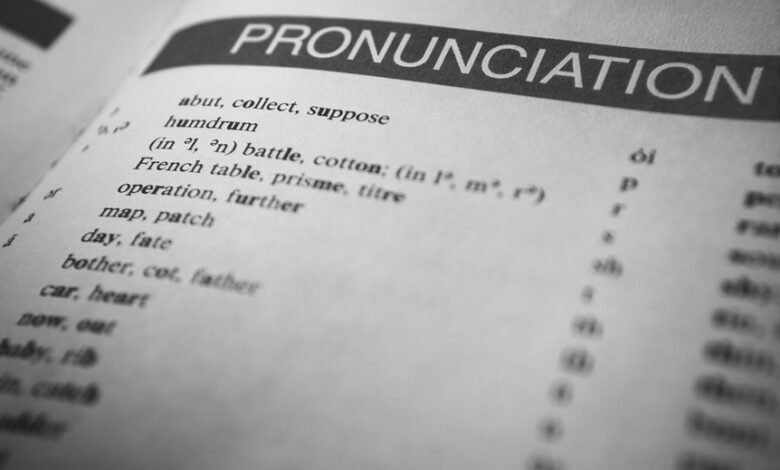
The Swedish Word Research Guide for Galltvåk Explaining Language Search Meaning presents a structured approach to mapping vocabulary across contexts, frequencies, and meanings. It emphasizes precise searches, credible sources, and transparent methods. It connects etymology, dialect variation, and concept drift to form and function, enabling reproducible verification. The guide offers controls for writing that reflect empirical evidence and cross-linguistic nuance, inviting careful scrutiny of how terms evolve and what those shifts imply for future analysis. The next step sharpens these considerations.
What Swedish Word Research Is Really For
Swedish word research serves to map how vocabulary functions across contexts, frequencies, and meanings within the language. This discipline clarifies usage patterns, supports linguistic transparency, and informs lexicographic design. It reveals two word idea, two word idea as functional drivers, guiding interpretation, pedagogy, and computational processing. The objective is empirical insight, enabling targeted inquiry while preserving interpretive freedom across speakers and contexts.
How to Start a Galltvåk Search: Step-by-Step
To begin a Galltvåk search, one should define the objectives, identify relevant corpora, and select precise search operators that align with the research question. The process then emphasizes how to choose sources and how to assess credibility, applying objective criteria and transparent methods. Engagement remains analytical, empirical, and restrained, guiding researchers toward reproducible results and minimal bias.
Decoding Etymology, Usage, and Dialects
In examining how Galltvåk terms function within the language landscape, the analysis focuses on etymology, usage patterns, and regional dialect variation. The study identifies concept drift across communities and highlights etymology gaps that impede pattern recognition. Methods compare textual corpora, field notes, and historical records, producing empirical mappings of lexical shifts, register changes, and dialectal nuance—without presuming uniform meaning.
Verifying Meaning and Applying It to Writing
Verifying meaning in Galltvåk requires a disciplined approach that links lexical form to functional use across contexts. The analysis demonstrates performing semantic verification through controlled comparisons, aligning sense with usage, and identifying boundaries. The process informs applying insights to prose, dialectal nuance exploration, and cross linguistic influence considerations, producing precise guidance for writing that respects freedom, clarity, and empirical evidence.
Conclusion
Swedish word research serves as a disciplined bridge between form, meaning, and use, guiding transparent lexicographic decisions. By systematizing context, frequency, and variation, the galltvåk approach clarifies when and where terms apply, and how concept drift may reshape interpretation over time. The method emphasizes credible sources, reproducible steps, and controlled comparisons to validate meaning. Ultimately, it supports precise writing and cross-linguistic insight. Do scholars sufficiently guard against semantic drift when guiding readers through language change?