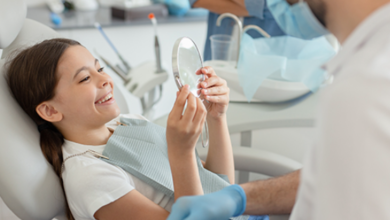
Your smile affects how you speak, eat, and connect with others. It can lift your confidence or quietly drain it. Preventive dentistry protects that smile before problems grow painful or costly. It focuses on simple steps you can control. You brush. You floss. You see your Manhasset dentist on a regular schedule. You catch early signs of trouble instead of waiting for a crisis. Small actions like cleanings, exams, and basic home care stop decay, gum infection, and tooth loss. They also help you avoid emergency visits and long treatments. This blog explains how routine prevention supports a strong, confident smile at every age. It shows what to expect during preventive visits, which habits matter most, and how to keep your teeth steady through stress, aging, and health changes. You deserve a mouth that feels steady and dependable every single day.
Why prevention matters for your health and confidence
Tooth decay and gum infection build slowly. You often feel nothing at first. Then one day you notice pain, bleeding, or a broken tooth. That moment can shake your confidence. It can also strain your wallet.
Regular checkups and cleanings stop that cycle. They keep problems small and easier to fix. They also protect more than your mouth. Research from the National Institute of Dental and Craniofacial Research links poor oral health with heart disease, diabetes, and pregnancy problems.
When your mouth feels clean and steady, you speak up more. You smile in photos. You eat with less worry. That quiet confidence affects work, school, and family life.
See also: Wrist-Worn Health Revolution Via Smart Sensor Tech
What preventive dentistry includes
Preventive care is simple. It combines care at home with care in the chair. Both matter.
At home you focus on three basics.
- Brush twice a day with fluoride toothpaste
- Clean between teeth once a day with floss or another tool
- Limit sugary snacks and drinks
At the dental office you receive three main services.
- Regular exams to spot early changes in teeth, gums, and jaw
- Professional cleanings to remove plaque and tartar
- X rays when needed to see between teeth and under fillings
Your dentist may also recommend fluoride treatments or sealants. These protect teeth that are weak or at higher risk for decay.
How preventive visits usually work
Knowing what to expect reduces fear. It also helps you plan your time and your budget.
During a routine visit you usually move through three steps.
- The hygienist reviews your health history and asks about pain or changes
- Your teeth and gums are cleaned and checked for bleeding or pockets
- The dentist checks your mouth, neck, and jaw and reviews any X rays
You then receive clear advice. You hear what looks strong. You also hear what needs closer watch or treatment. This direct talk helps you decide next steps before a small issue grows.
Prevention across every stage of life
Your mouth changes as you grow. Your preventive needs change too. Still you can protect your teeth at every age with steady habits.
Preventive focus by life stage
| Life stage | Main risks | Key preventive steps |
|---|---|---|
| Children | Early cavities | Fluoride toothpaste, sealants, limit juice and snacks |
| Teens | Sugary drinks, sports injuries | Sports mouthguards, fewer sodas, steady flossing |
| Adults | Gum infection, stress grinding | Regular cleanings, night guards when needed, tobacco free life |
| Older adults | Dry mouth, root decay, tooth loss | More frequent checkups, fluoride rinses, denture and implant care |
The Centers for Disease Control and Prevention reports that untreated decay affects children and adults at high rates. That pain can lead to missed school and missed work. Preventive visits cut that risk for every group in this table.
How prevention saves time and money
Many people delay care because they fear the cost. That delay often leads to bigger bills. A short visit for a cleaning and exam costs far less than a crown, root canal, or implant.
Consider three common situations.
- A small cavity caught early may need a quick filling
- A cavity left alone can reach the nerve and need a root canal
- A tooth lost from severe decay may need an implant or bridge
Preventive care also protects your time. Short planned visits replace long emergency visits. You spend fewer hours in pain and fewer days away from work or school.
Daily habits that support a confident smile
Office visits work best when your home habits stay steady. You do not need special tools. You just need a clear routine.
Focus on three daily actions.
- Brush for two minutes in the morning and at night
- Clean between teeth once a day
- Drink water often and keep sweets with meals instead of all day
Try to replace smoking or vaping. Tobacco and nicotine stain teeth and weaken gums. They also raise your risk for oral cancer. Your dental team can connect you with quit support.
When to schedule your next visit
Most people do best with a checkup every six months. Some need visits more often if they have gum infection, diabetes, dry mouth, or many past cavities. Others with very low risk may need fewer visits. Your dentist will guide you.
Call sooner if you notice any of these signs.
- Bleeding when you brush or floss
- Tooth pain that lasts more than a day
- Sores that do not heal within two weeks
- Bad breath that does not clear with brushing
Prompt care in these moments protects both your health and your confidence. Each early visit is a firm choice in favor of your future comfort.
Taking control of your oral health
Preventive dentistry is not complex. It is steady, simple, and clear. You show up. You ask questions. You follow a short daily routine. In return you gain a mouth that feels clean, strong, and ready for each day.
You do not need a perfect past to begin. Even if you have avoided the dentist for years, you can start now. Every preventive step you take today lowers the chance of pain tomorrow. That quiet control is the true source of a confident smile.