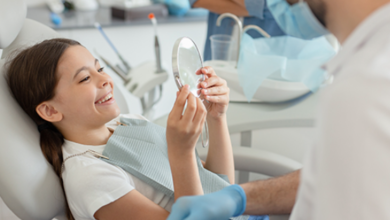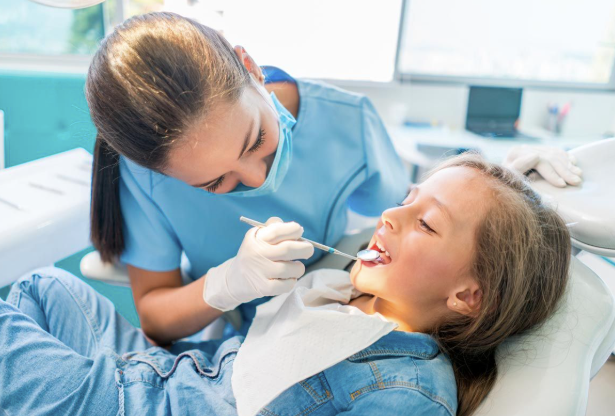
Your mouth changes as you grow. Baby teeth fall out. Adult teeth break or wear down. Gums weaken. A trusted general dentist helps you through each stage. Children need gentle checkups, sealants, and cleanings. Teens need help with sports injuries and early decay. Adults face stress grinding, fillings, and gum disease. Seniors deal with tooth loss, dry mouth, and trouble chewing. Each need feels different, yet one steady home for care keeps you safe. A dentist in Schaumburg can track these changes over time. Routine exams catch problems early. Simple treatments protect your health, speech, and bite. Clear guidance helps you choose what fits your life, budget, and fears. You do not have to sort this out alone. General dentistry gives you one place, one team, and one plan for every age.
Why one dental home matters for every stage of life
General dentistry gives your family a stable base. You see the same office for many years. The team learns your story, your health, and your fears. This history protects you.
Research links oral health to heart disease, diabetes, and pregnancy outcomes. When one office tracks your teeth and gums, it spots patterns that others might miss.
General dentists help you in three ways.
- They prevent problems.
- They repair damage.
- They guide your daily habits.
This support looks different for kids, teens, adults, and seniors. Yet the goal stays the same. Keep you eating, speaking, and smiling without pain.
Care for young children
Early visits shape how your child feels about the dentist. A calm, simple visit builds trust. You protect your child from fear and shame.
In childhood, a general dentist usually focuses on three steps.
- Check growth and tooth position.
- Clean away plaque and teach brushing.
- Use fluoride and sealants to block decay.
Baby teeth may seem unimportant. They are not. They guide adult teeth into place. They help your child chew and speak. When you protect baby teeth, you avoid pain, infections, and speech problems.
The National Institute of Dental and Craniofacial Research reports that tooth decay is common in children. Regular care cuts this risk and keeps your child in school and out of the emergency room.
Support for teens and young adults
Teens carry new pressures. Sports, braces, and changes in diet all affect teeth. Many teens start drinking sugary drinks and energy drinks. Some start smoking or vaping. Grinding from stress is common.
A general dentist helps teens by doing three main things.
- Fitting mouthguards for sports injuries.
- Watching wisdom teeth and jaw growth.
- Talking about tobacco, vaping, and sugar use without blame.
Teens often feel judged. A good dentist listens, then speaks with respect. Clear, plain words help a teen choose better habits. This honest talk can stop small problems that would haunt them as adults.
See also: The Benefits of Hiring a Specialized Personal Injury Law Firm
Care for working adults
Adults often put dental care last. Work, children, and money pull attention away. You may wait until pain forces a visit. By then treatment is harder and more costly.
Regular general dentistry visits help you break that cycle. The focus often includes three parts.
- Find and treat cavities while they are small.
- Screen for gum disease and bone loss.
- Check for signs of clenching, grinding, or jaw joint strain.
Many adults also face dry mouth from medicines. This raises decay risk. Your dentist can suggest rinses, fluoride products, and simple changes to your routine. Clear step-by-step plans keep you in control.
Support for seniors
Later in life, chewing, speaking, and swallowing can change. You might lose teeth. Dentures or bridges might feel loose. Arthritis can make brushing hard. Illness and many medicines dry the mouth.
General dentists help seniors stay independent. They aim to do three things.
- Keep at least some natural teeth when possible.
- Fit and adjust dentures or partials for steady chewing.
- Watch for oral cancer and sores from rubbing dentures.
Simple changes such as a different toothbrush handle or a softer brush, can make cleaning easier. Your dentist can also work with your doctor to balance oral health with other health needs.
Common services across the lifespan
Many services stay useful from early years through retirement. The focus shifts, yet the tools stay the same.
| Service | Kids | Teens | Adults | Seniors |
|---|---|---|---|---|
| Cleanings and exams | Teach brushing and catch early decay | Reinforce habits and watch alignment | Control gum disease and wear | Protect remaining teeth and dentures |
| Fluoride | Strengthen new teeth | Support enamel during braces | Fight decay from dry mouth | Protect roots that show as gums recede |
| Sealants | Block grooves from trapping food | Repair worn sealants | Use in deep grooves at high risk | Less common yet still an option |
| Fillings | Restore small cavities | Fix sports or snack damage | Repair old fillings and fractures | Protect roots and broken edges |
| Gum care | Teach gentle brushing | Address early bleeding gums | Treat gum disease | Preserve bone for chewing |
Building habits that protect your whole family
Good oral health is not complex. It rests on three simple habits.
- Brush twice a day with fluoride toothpaste.
- Clean between teeth every day.
- See a general dentist on a regular schedule.
When one office cares for your whole family, these habits feel shared. Children watch parents. Teens watch grandparents. You all pull in the same direction.
You deserve clear answers and a plan that fits each stage of life. General dentistry gives you that anchor. It protects your comfort, your speech, and your confidence from the first baby tooth to the last chapter of life.