Strong home habits start in the dental chair. Regular checkups do more than fix problems. They shape how you brush, floss, and care for your mouth every day. When you visit a general dentist, you get clear feedback. You see what is working. You also see what is not. That truth can feel sharp. It can also push you to change. Through simple tools, honest talk, and steady follow-up, your dentist turns routine visits into a training ground for your daily life. Each cleaning shows hidden plaque. Each exam links your choices at home to real results. That link is powerful. It turns “I know I should” into “I will.” This blog will show how general dentistry guides better home habits, how regular visits build discipline, and how Scarsdale dental care can support you in protecting your teeth and gums every single day.
Why routine visits change your daily choices
You brush and floss at home. You still need a general dentist. Routine visits give three things that you cannot create alone. You gain clear proof of what is happening in your mouth. You gain personal coaching. You gain a steady rhythm that keeps you on track.
During a checkup, your dentist and hygienist measure gum depth, look for decay, and check for worn spots. They do not guess. They show you where plaque hides and where gums bleed. That direct cause and effect can feel harsh. It also wakes you up. You see that skipping flossing or rushing brushing has a cost. You also see that small changes bring quick wins.
How dentists teach better brushing and flossing
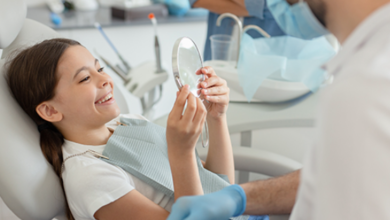
Most people learn to brush from a parent or a quick tip on a box. General dentistry replaces guesswork with clear steps. Your dentist shows you how to clean each surface of each tooth. Your hygienist may place a mirror in your hand. You watch your own mouth as you learn.
Common changes include three themes. You slow down. You soften your grip. You follow a set path so you do not miss spots. You learn to tilt the brush toward the gumline. You learn to clean the back of the front teeth. You learn that hard scrubbing harms gums.
Flossing also becomes simpler. Your dentist can show floss holders, interdental brushes, or water flossers. You see which tool fits your fingers, your teeth, and your schedule. You leave with one clear method, not a list of options that creates confusion.
Turning checkup results into new habits
Information alone does not create change. The way general dentistry uses that information does. Each visit follows a cycle. You arrive with your current habits. The team measures, cleans, and reviews. You agree on one or two changes. Then you go home and test them until the next visit.
This cycle matters for three reasons. It breaks change into small steps. It gives you a deadline. It shows you if your effort works. When you return, your dentist can say, “Your gums look calmer where you started flossing.” That short sentence carries weight. It links your daily effort to a clear result.
Research supports this pattern. The Centers for Disease Control and Prevention reports that professional care, paired with strong home care, cuts tooth loss and pain. You control the home side. Your dentist guides you, checks your progress, and adjusts the plan.
See also: Experience Georgina in Style with a Party Bus
Comparing home care with and without regular general dentistry
The table below shows how routine general dentistry changes common home habits over time. It does not replace advice from your own dentist. It gives a simple comparison to help you see the difference.
| Habit or outcome | Without routine general dentistry | With routine general dentistry |
|---|---|---|
| Brushing technique | Often rushed. Misses gumline and back teeth. | Guided method. Covers all surfaces with a steady pattern. |
| Flossing routine | Rare or done only before visits. | Simple daily plan tailored to your mouth. |
| Use of fluoride | Brand chosen by taste or cost. | Toothpaste and rinse matched to your decay risk. |
| Response to bleeding gums | Often ignored until pain grows. | Flagged early. Clear steps to calm swelling. |
| Children’s habits | Learn from peers or rushed routines. | Learn from clear, repeated guidance and visual aids. |
| Long term tooth loss risk | Higher due to silent decay and gum disease. | Lower through early detection and steady home care. |
How general dentists support children and caregivers
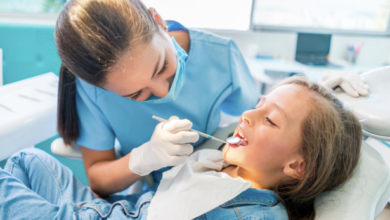
Home habits start early. General dentistry visits help children connect care with comfort, not fear. The team uses simple words and calm steps. They may count teeth out loud. They may show each tool before use. Children see cleaning as a normal part of life.
Caregivers gain clear roles. You learn how to brush for a toddler, when to let a child take over, and how to check their work. You also learn how snacks, juice, and bedtime routines affect small teeth. The National Institute of Dental and Craniofacial Research explains that decay starts when sugar and bacteria meet and stay on teeth. Your dentist turns that fact into simple house rules for meals and brushing.
Using technology and reminders to keep habits strong
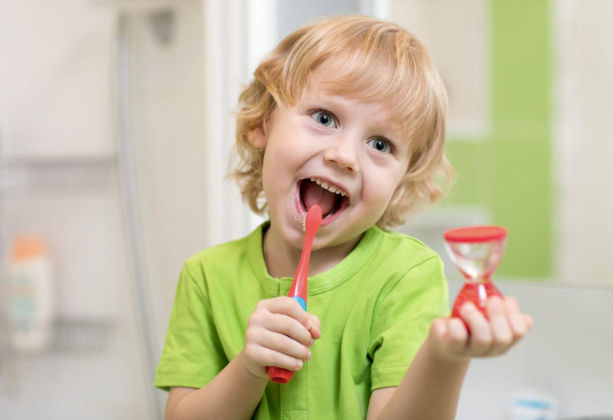
General dentistry also taps into tools you already have. You can set phone timers for two-minute brushing. You can use calendar alerts for flossing. Some offices offer text reminders with quick tips between visits. These small nudges keep your habits from fading.
You can also bring your own tools to visits. You might bring your toothbrush to show your current method. You might share photos of bleeding gums. Your dentist can respond with very clear steps. Change then feels concrete, not vague.
Building a long-term partnership for your mouth
Good home hygiene is not a single choice. It is a long chain of small acts on hard days and easy days. General dentistry turns that chain into a shared effort. You bring your effort and your questions. Your dentist brings skill, honest feedback, and steady support.
Over time, this partnership can protect more than your smile. Strong oral health links to easier eating, clearer speech, and steady sleep. You also avoid the quiet stress that comes from pain, bad breath, or lost teeth. Each routine visit becomes one more step toward a mouth that feels clean and strong at home, every day.