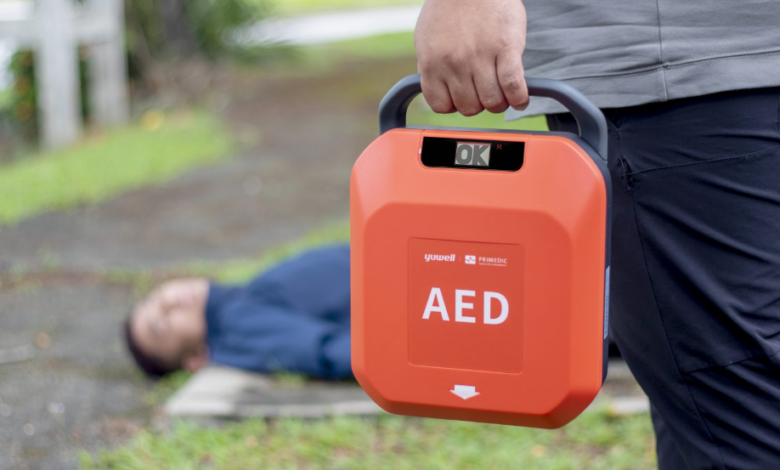
First aid training plays a powerful role in transforming ordinary individuals into confident responders who can make a real difference during emergencies. In critical moments when accidents or sudden illnesses occur, it is often not doctors or paramedics who arrive first—but people nearby. Their actions, knowledge, and confidence can directly influence survival and recovery.
In many emergency situations, the first few minutes are the most crucial. First aid training equips individuals with the ability to recognize danger, assess the situation, and take immediate action while waiting for professional help. This ability alone can save lives.
The Reality of Emergencies: Why Waiting Is Not an Option
Emergencies rarely happen in ideal conditions. They occur:
- At home late at night
- During traffic jams
- In offices or factories
- At schools, sports events, or public gatherings
In these situations, emergency medical services may take time to arrive. Without early intervention, injuries can worsen and medical conditions can become fatal. First aid training bridges this gap by enabling immediate care when it matters most.
For example:
- Severe bleeding can be fatal within minutes
- Cardiac arrest survival drops rapidly without CPR
- Choking requires instant action
First aid training prepares people to respond instead of freezing in panic.
First Aid Training and Real-Life Confidence
One of the biggest benefits of first aid training is confidence. Many people hesitate to help because they fear doing something wrong. Training replaces fear with clarity.
With proper first aid training, individuals learn:
- What to do first
- What not to do
- How to stay calm under pressure
- How to protect themselves while helping others
This confidence is often the deciding factor between action and inaction during emergencies.
First Aid Training at Home: Protecting Those Closest to You
Home is where many accidents happen—especially involving children and elderly family members. Common incidents include:
- Falls
- Burns
- Choking
- Sudden medical conditions
First aid training helps families respond quickly and correctly. Parents learn how to manage choking, burns, and fever-related emergencies. Caregivers learn how to assist elderly individuals who may be at higher risk of falls or cardiac events.
Knowing first aid at home provides peace of mind and strengthens family safety.
Workplace Safety and First Aid Training
In workplaces, first aid training is more than a safety measure—it is a responsibility. Offices, factories, construction sites, and retail environments all face different risks.
Workplace first aid training helps:
- Reduce injury severity
- Prevent panic during incidents
- Improve response coordination
- Support compliance with safety guidelines
Trained employees can stabilize injured colleagues until professional medical help arrives, reducing downtime and potential long-term harm.
First Aid Training in Public Spaces
Public places are unpredictable environments. Medical emergencies can occur among strangers, and bystanders often hesitate to help.
First aid training empowers individuals to step forward in public emergencies such as:
- Road accidents
- Collapses in shopping malls
- Sports-related injuries
- Choking incidents in restaurants
Communities with higher first aid awareness experience better emergency outcomes because help starts immediately, not minutes later.
Mental Preparedness: The Hidden Benefit of First Aid Training
First aid training is not just about physical skills—it also develops mental readiness. Participants learn how to:
- Assess risks quickly
- Prioritize actions
- Communicate clearly with emergency services
- Work as a team with other responders
This mental preparedness reduces chaos and improves decision-making during stressful situations.
First Aid Training and Social Responsibility
First aid training encourages a culture of care and responsibility. When more people are trained, communities become safer and more resilient.
Trained individuals:
- Are more willing to help others
- Set positive examples
- Increase overall public safety awareness
In emergencies, one trained person can inspire others to assist, creating a chain reaction of support.
Keeping First Aid Skills Up to Date
Skills can fade if they are not practiced. That is why refresher training is important. Regular updates ensure:
- Correct techniques
- Familiarity with updated guidelines
- Confidence remains high
Many first aid certifications recommend renewal every 1–3 years to maintain readiness.
Breaking the Myths Around First Aid Training
“I’ll never need it.”
Emergencies are unpredictable. Preparation is always better than regret.
“I might make things worse.”
Proper training teaches safe, approved techniques that minimize harm.
“Only professionals should help.”
First aid training exists because immediate help from non-professionals saves lives.
Why First Aid Training Is a Skill for Life
Unlike many skills that are rarely used, first aid training stays relevant throughout life. Whether at home, work, or in public, the knowledge remains valuable.
It is a skill that:
- Protects loved ones
- Supports colleagues
- Helps strangers
- Builds confidence and responsibility
Few skills have such a wide and lasting impact.
Conclusion
First aid training is not about being a hero—it is about being prepared. In emergencies, people do not rise to the occasion; they fall back on their training. Knowing how to respond calmly and correctly can save lives and reduce suffering.
By investing time in first aid training, individuals contribute to safer homes, workplaces, and communities. When emergencies happen—and they will—trained individuals become the difference between helplessness and hope.